
Cactus: Echinocactus; Ferocactus
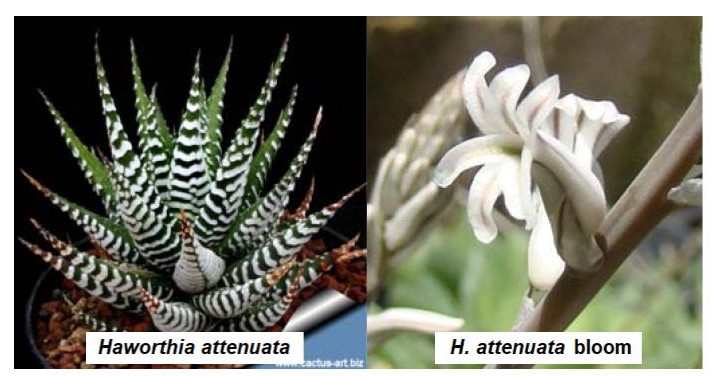
Succulent: Gasteria; Haworthia
This month we are taking on two genera of cacti with names that say “stay away!”, though I suggest just the opposite.
Cactus: Echinocactus; Ferocactus
Succulent: Gasteria; Haworthia
This month we are taking on two genera of cacti with names that say “stay away!”, though I suggest just the opposite.

On April 10th, Peter Walkowiak will discuss growing succulents at Redlands Church of the Nazarene. With over 2,000 plants in his collection, he aims to educate attendees on soil, watering, exposure, and growing techniques through a hands-on demonstration and a Q&A session.
Cactus: Notocactus; Parodia
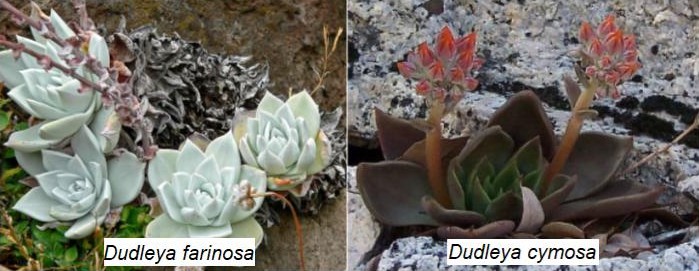
Succulent: Dudleya
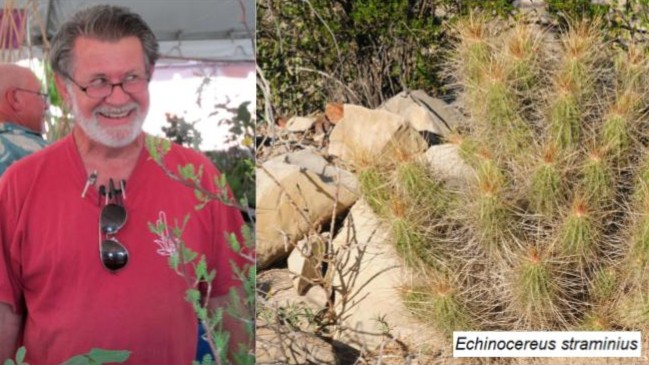
The event on March 13th at Redlands Church of the Nazarene features a speaker with over 55 years of experience in cacti and succulent research, cultivation, and conservation. The presentation, titled “Texas to Tamaulipas,” will explore the rich biodiversity of cacti in the Sierra Madre Oriental and adjacent regions, highlighting rare species and their habitats.
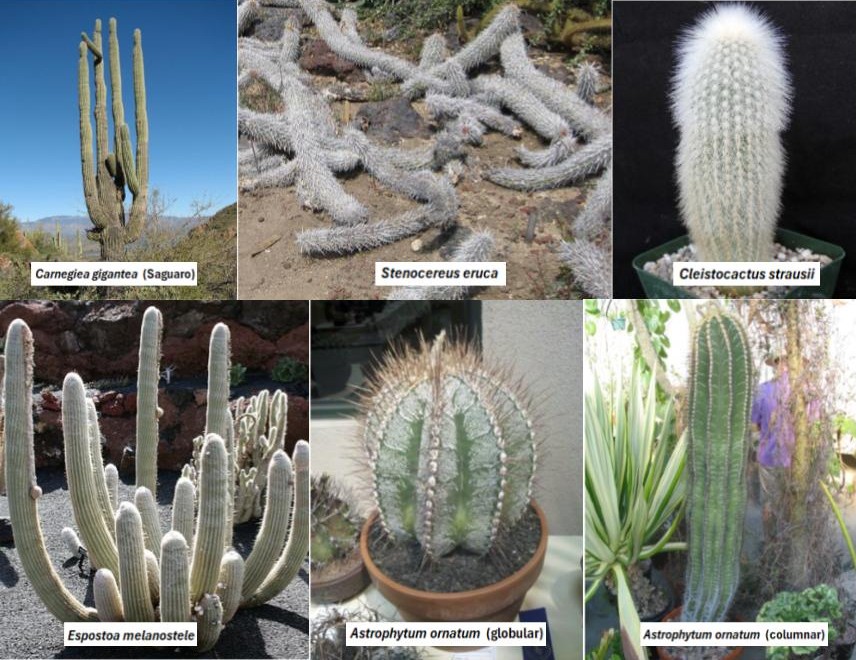
The post discusses columnar cacti and miniature agaves, highlighting their unique characteristics and growth requirements. Columnar cacti, known for their upright form, vary in size and growth rates, while miniature agaves showcase a rosette shape with distinctive terminal spines. Both types have specific care needs and offer impressive landscape potential.
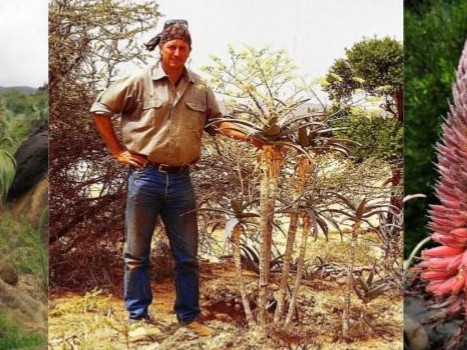
On February 13th at 7pm PST, Tom McCoy will speak at the Redlands Church of the Nazarene about the native aloes of Saudi Arabia. With 35 years of research, he has discovered new species and authored significant publications, including “The Aloes of Arabia.” McCoy is a respected botanist and aviculturist.
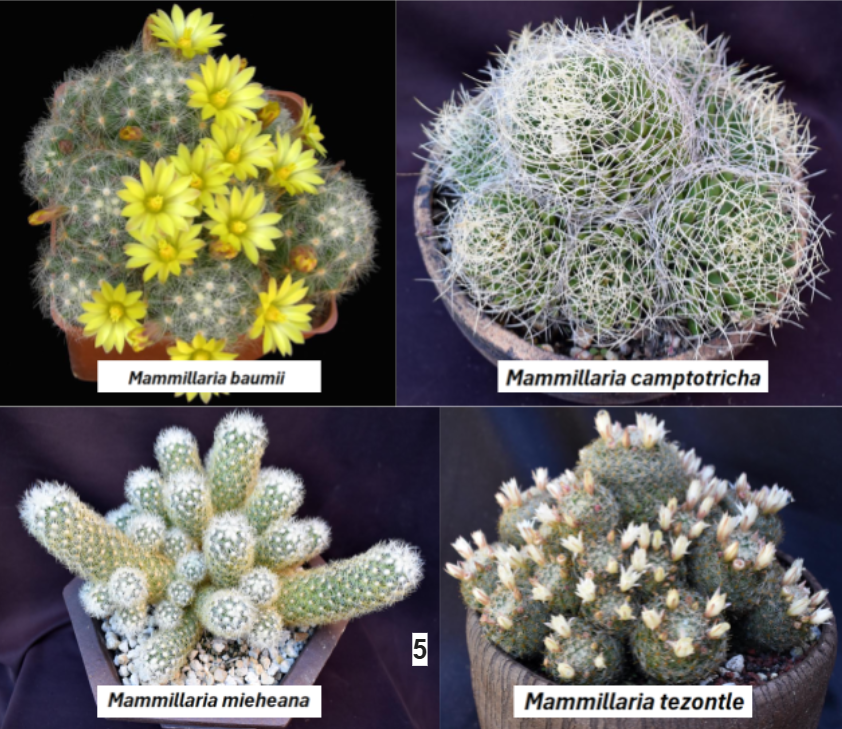
The content discusses the cultivation and characteristics of Mammillaria cacti and Aloe succulents. Mammillaria display wide variability in shape and growth, thriving with proper care. Aloe, particularly Aloe vera, is popular for its medicinal uses and adaptability. Membership dues are required for participation in the monthly mini-show featuring these plants.

Join us on January 9th at 7pm PST at Redlands Church of the Nazarene for “The Succulent Underground: The Hidden Intelligence and Function of Roots.” Speaker Gunnar Eisel will explore root physiology, pruning benefits, and how roots sense gravity. Eisel is an experienced succulent collector and industry leader.
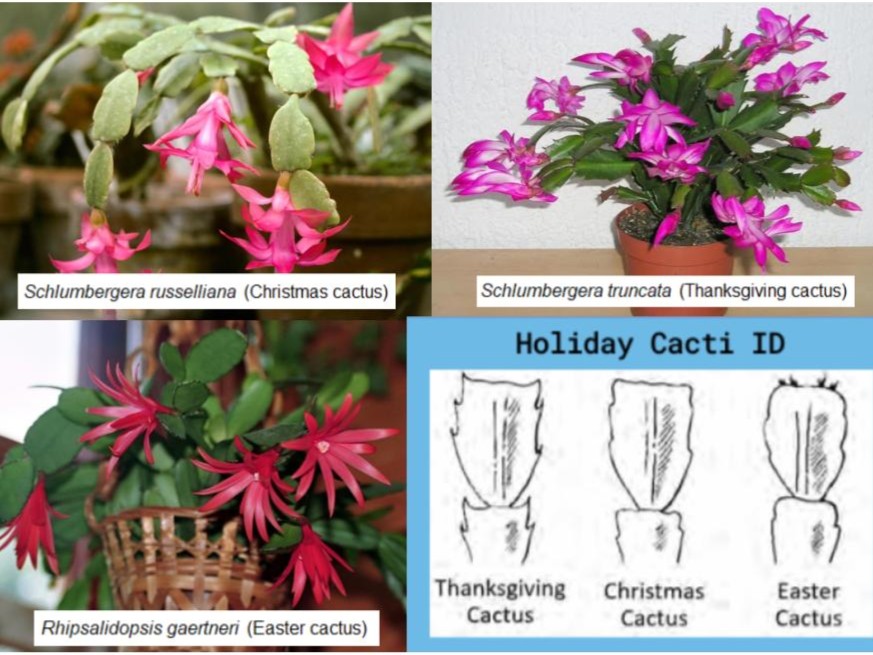
The post discusses two plant genera: Schlumbergera, known as holiday cacti, and Senecio, a diverse succulent genus. Schlumbergera thrives in indirect light, blooms during winter, and has vibrant, showy flowers, while Senecio includes various easy-to-grow species, boasting unique appearances and adaptability, making them excellent indoor plants. Membership dues are required for competition eligibility.

The post discusses the unique genetic variations seen in cacti and succulents, including crested, monstrose, and variegated forms. Plants exhibiting these traits must have at least 30% deviation to qualify for a mini-show. These genetic anomalies, while often less hardy, are celebrated among enthusiasts for their fascinating diversity.

 Gates Cactus and Succulent Society