

Join us on January 9th at 7pm PST at Redlands Church of the Nazarene for “The Succulent Underground: The Hidden Intelligence and Function of Roots.” Speaker Gunnar Eisel will explore root physiology, pruning benefits, and how roots sense gravity. Eisel is an experienced succulent collector and industry leader.
Tag Archives: garden

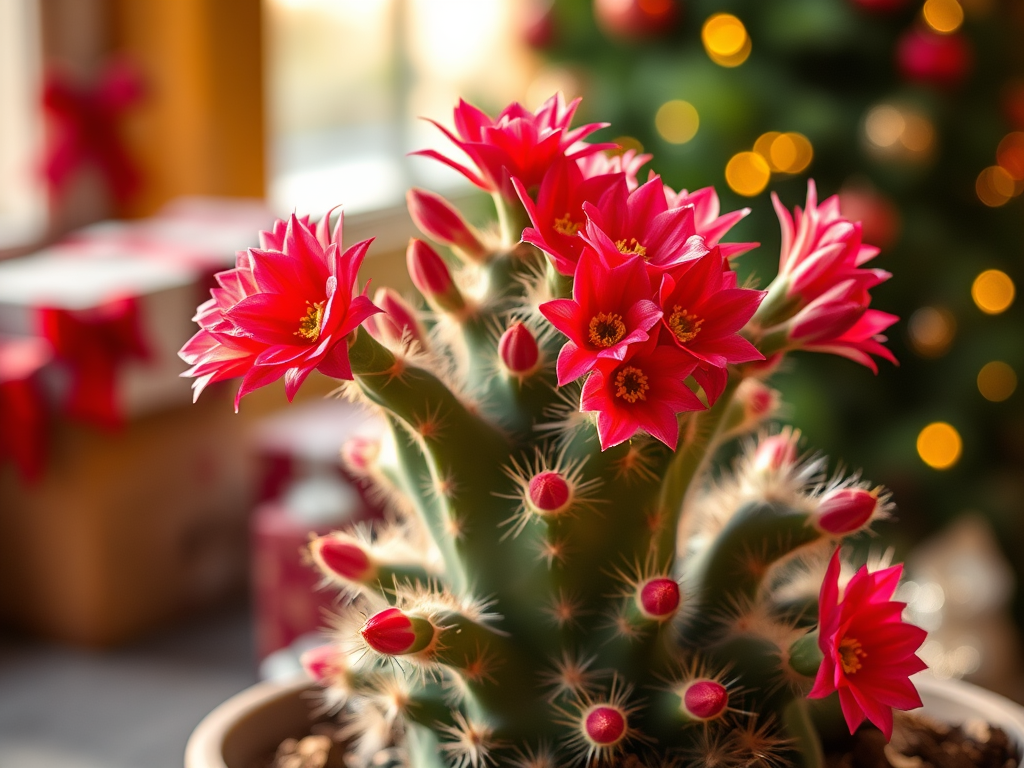
November 2025 Mini Show
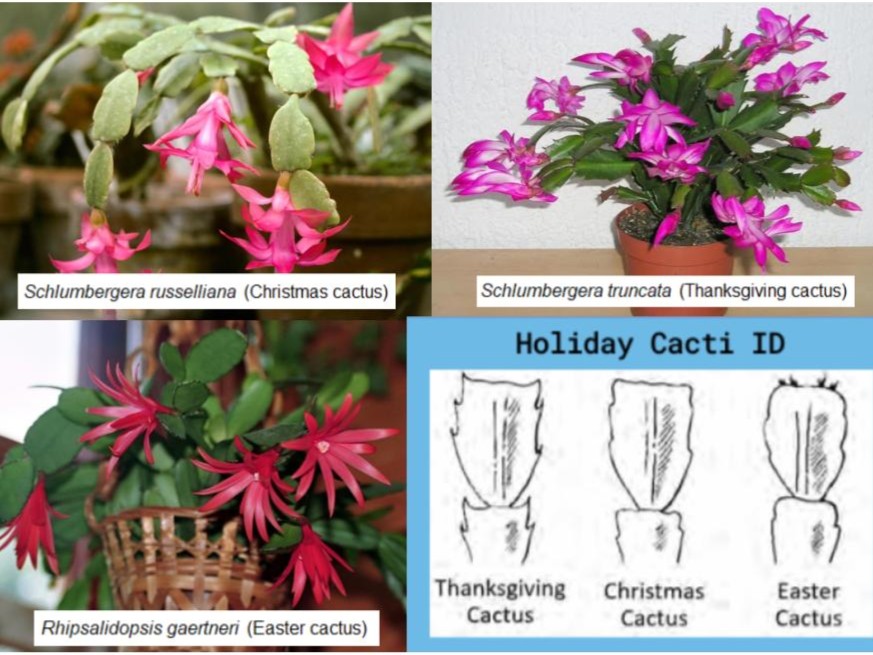
The post discusses two plant genera: Schlumbergera, known as holiday cacti, and Senecio, a diverse succulent genus. Schlumbergera thrives in indirect light, blooms during winter, and has vibrant, showy flowers, while Senecio includes various easy-to-grow species, boasting unique appearances and adaptability, making them excellent indoor plants. Membership dues are required for competition eligibility.
Al Klein | November Meeting Speaker
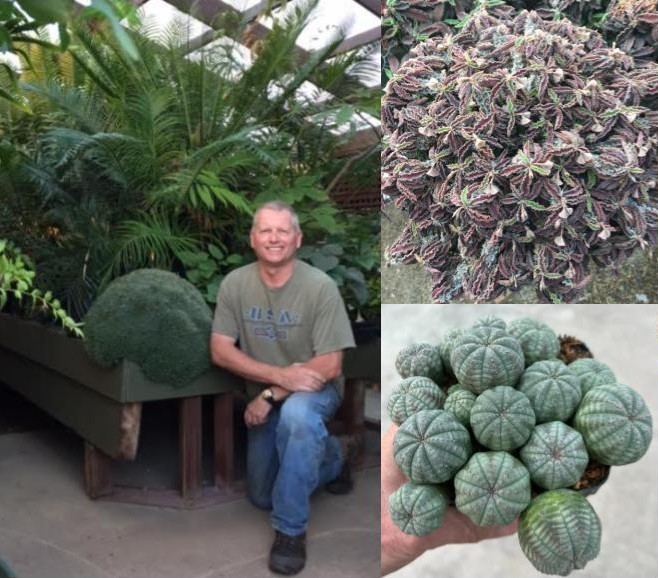
On November 14th at 7pm PST, join Al Klein at the Redlands Church of the Nazarene for a program on growing Euphorbia plants. Learn about their diverse species, care requirements, and unique characteristics. Al brings a wealth of horticultural experience, having dedicated years to the cultivation of exotic plants.
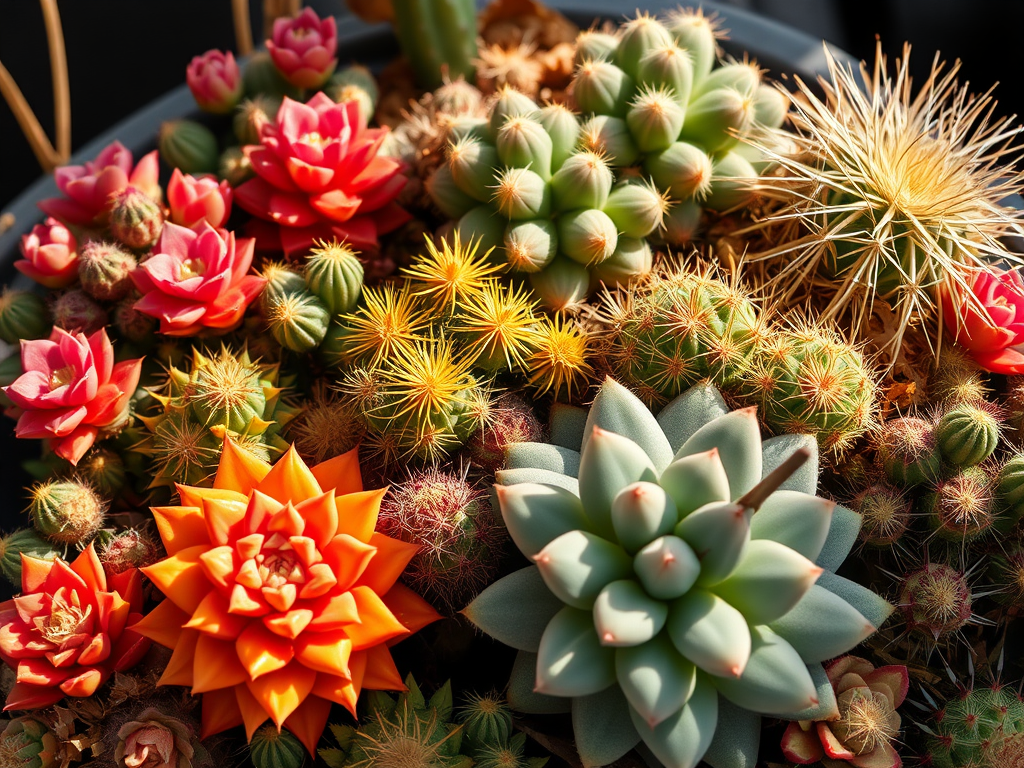
October 2025 Mini Show

The post discusses the unique genetic variations seen in cacti and succulents, including crested, monstrose, and variegated forms. Plants exhibiting these traits must have at least 30% deviation to qualify for a mini-show. These genetic anomalies, while often less hardy, are celebrated among enthusiasts for their fascinating diversity.
Jan Emming | October Meeting Speaker

Jan Emming, originally from the Netherlands and raised in Colorado, moved to Yucca, Arizona, in 1999 to create a dream garden on a 40-acre desert property. His program, “Building Forever,” discusses the challenges and successes of cultivating a diverse array of succulents and native desert plants in this unique ecosystem.

September 2025 Mini Show
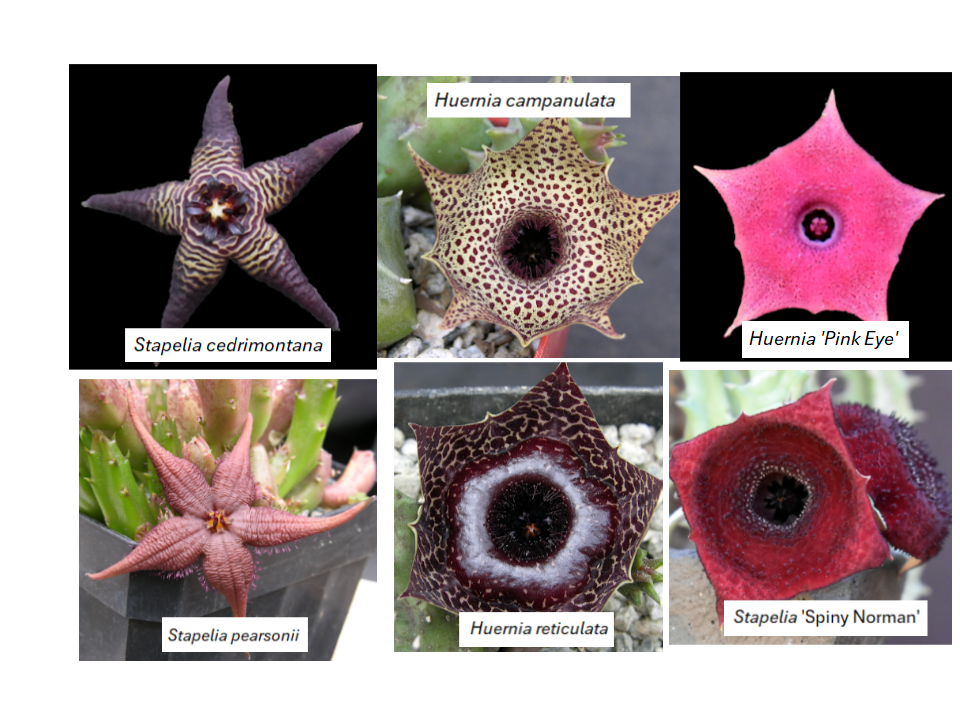
The Opuntiadeae family, including cacti like Opuntia, spans from Southern Argentina to Canada and is a common pest in various regions. Propagation is easier via cuttings than seeds. Additionally, Ficus species are also discussed, alongside the flowering genera Huernia and Stapelia, known for their unique pollination methods.
 Gates Cactus and Succulent Society