
Cactus: Echinocactus; Ferocactus
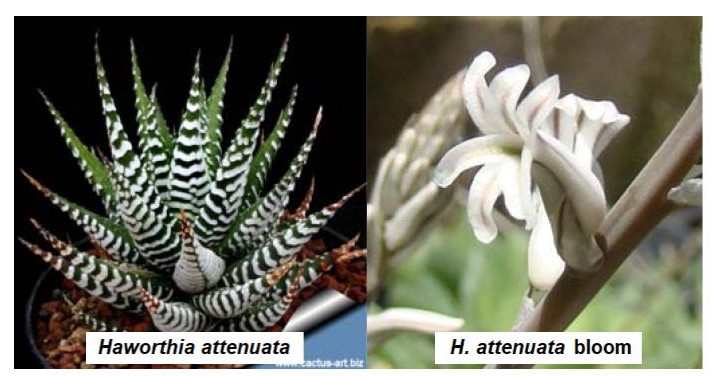
Succulent: Gasteria; Haworthia
This month we are taking on two genera of cacti with names that say “stay away!”, though I suggest just the opposite.
Cactus: Echinocactus; Ferocactus
Succulent: Gasteria; Haworthia
This month we are taking on two genera of cacti with names that say “stay away!”, though I suggest just the opposite.
Cactus: Notocactus; Parodia
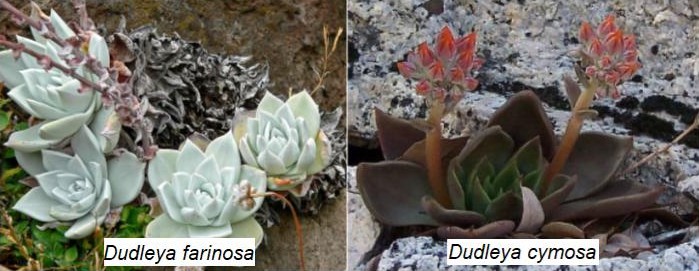
Succulent: Dudleya
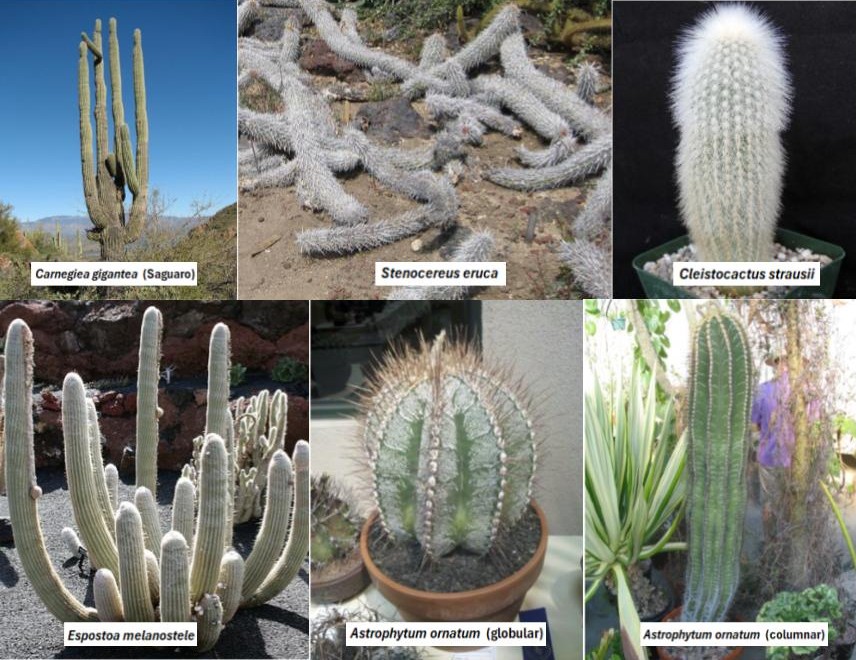
The post discusses columnar cacti and miniature agaves, highlighting their unique characteristics and growth requirements. Columnar cacti, known for their upright form, vary in size and growth rates, while miniature agaves showcase a rosette shape with distinctive terminal spines. Both types have specific care needs and offer impressive landscape potential.
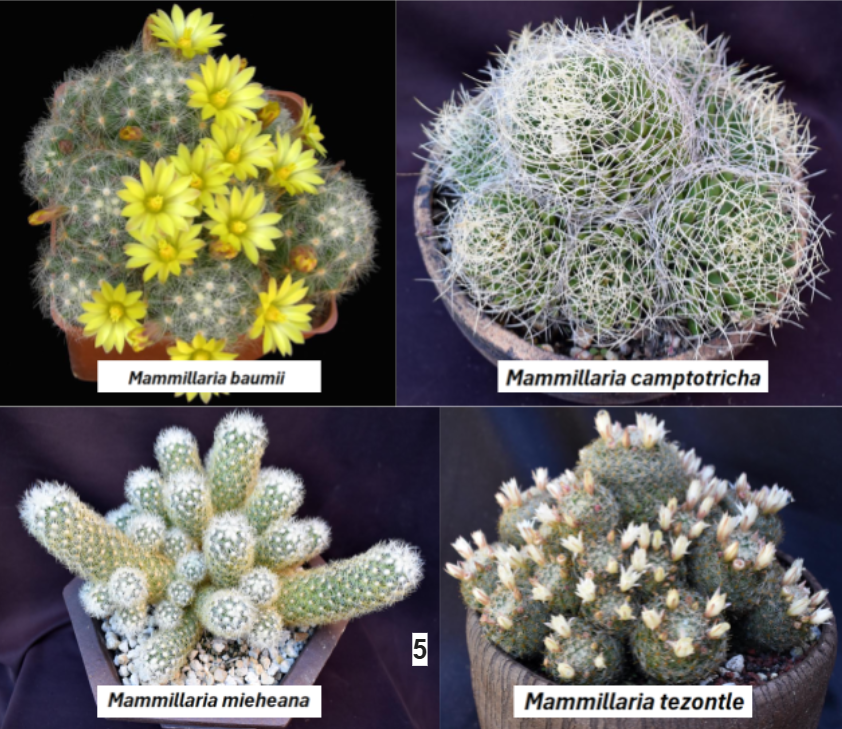
The content discusses the cultivation and characteristics of Mammillaria cacti and Aloe succulents. Mammillaria display wide variability in shape and growth, thriving with proper care. Aloe, particularly Aloe vera, is popular for its medicinal uses and adaptability. Membership dues are required for participation in the monthly mini-show featuring these plants.
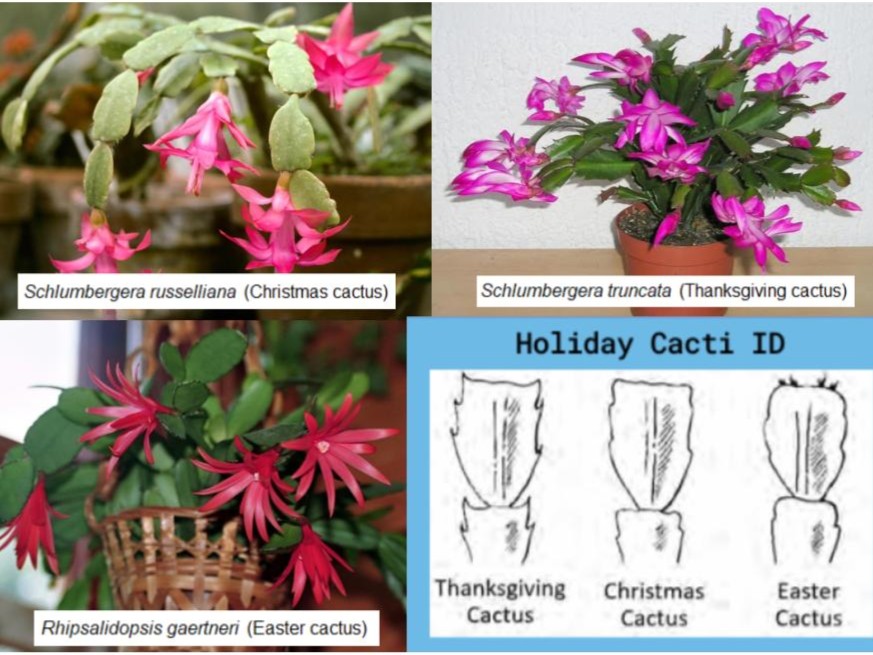
The post discusses two plant genera: Schlumbergera, known as holiday cacti, and Senecio, a diverse succulent genus. Schlumbergera thrives in indirect light, blooms during winter, and has vibrant, showy flowers, while Senecio includes various easy-to-grow species, boasting unique appearances and adaptability, making them excellent indoor plants. Membership dues are required for competition eligibility.

The post discusses the unique genetic variations seen in cacti and succulents, including crested, monstrose, and variegated forms. Plants exhibiting these traits must have at least 30% deviation to qualify for a mini-show. These genetic anomalies, while often less hardy, are celebrated among enthusiasts for their fascinating diversity.
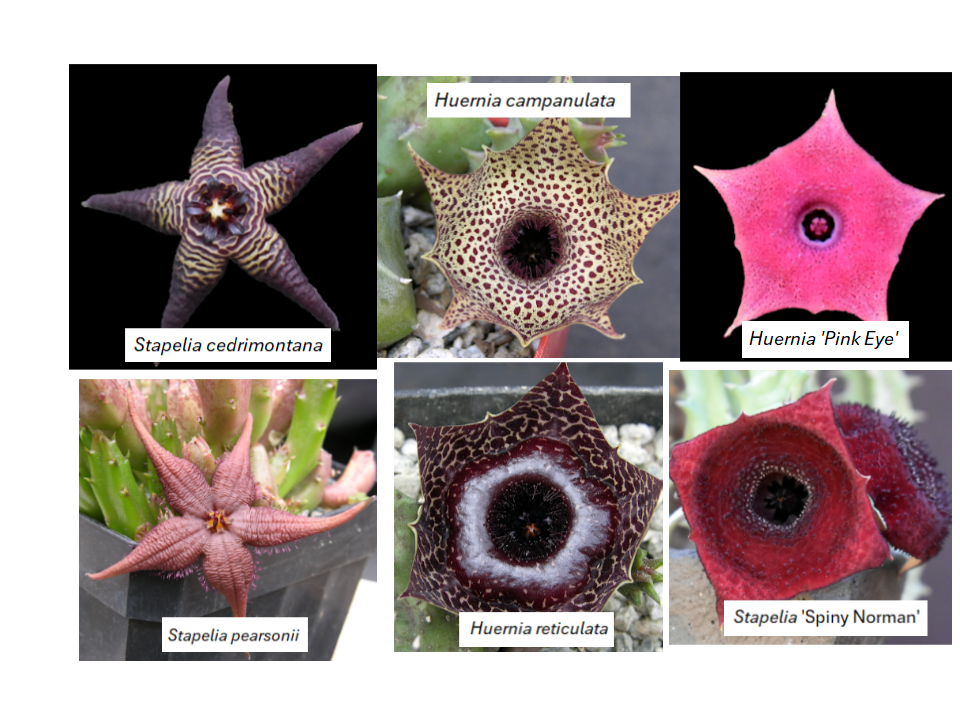
The Opuntiadeae family, including cacti like Opuntia, spans from Southern Argentina to Canada and is a common pest in various regions. Propagation is easier via cuttings than seeds. Additionally, Ficus species are also discussed, alongside the flowering genera Huernia and Stapelia, known for their unique pollination methods.

Two genera of plants: Dorstenia and Ficus, both part of the Moraceae family. Dorstenia thrives in tropical conditions and includes several unique species with distinct characteristics and pollination methods. Ficus, easier to cultivate, features various species suited for pot growth and bonsai styling, with notable propagation techniques. Membership requirements for a monthly competition are also mentioned.

Echinopsis is a diverse genus of cacti endemic to South America, recognized for its dramatic flowers and varying sizes, with 128 species. Stem succulent Euphorbias, resembling cacti, are easy to cultivate but require caution due to their irritant latex. Both groups thrive in well-drained conditions and benefit from proper care for successful growth.
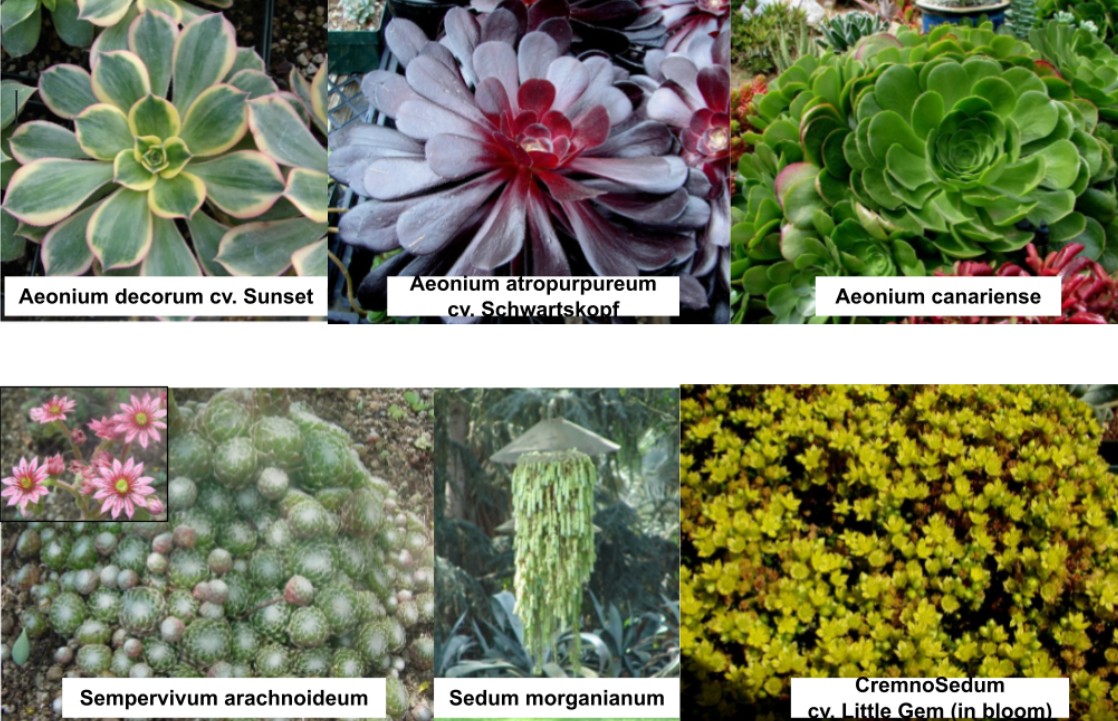
Cactus: Rebutia, Sulco, and Weingartia
Succulent: Rosette (smaller than 10’ in diameter)
Rebutia by Tom Glavich

 Gates Cactus and Succulent Society